Myths about the surgery
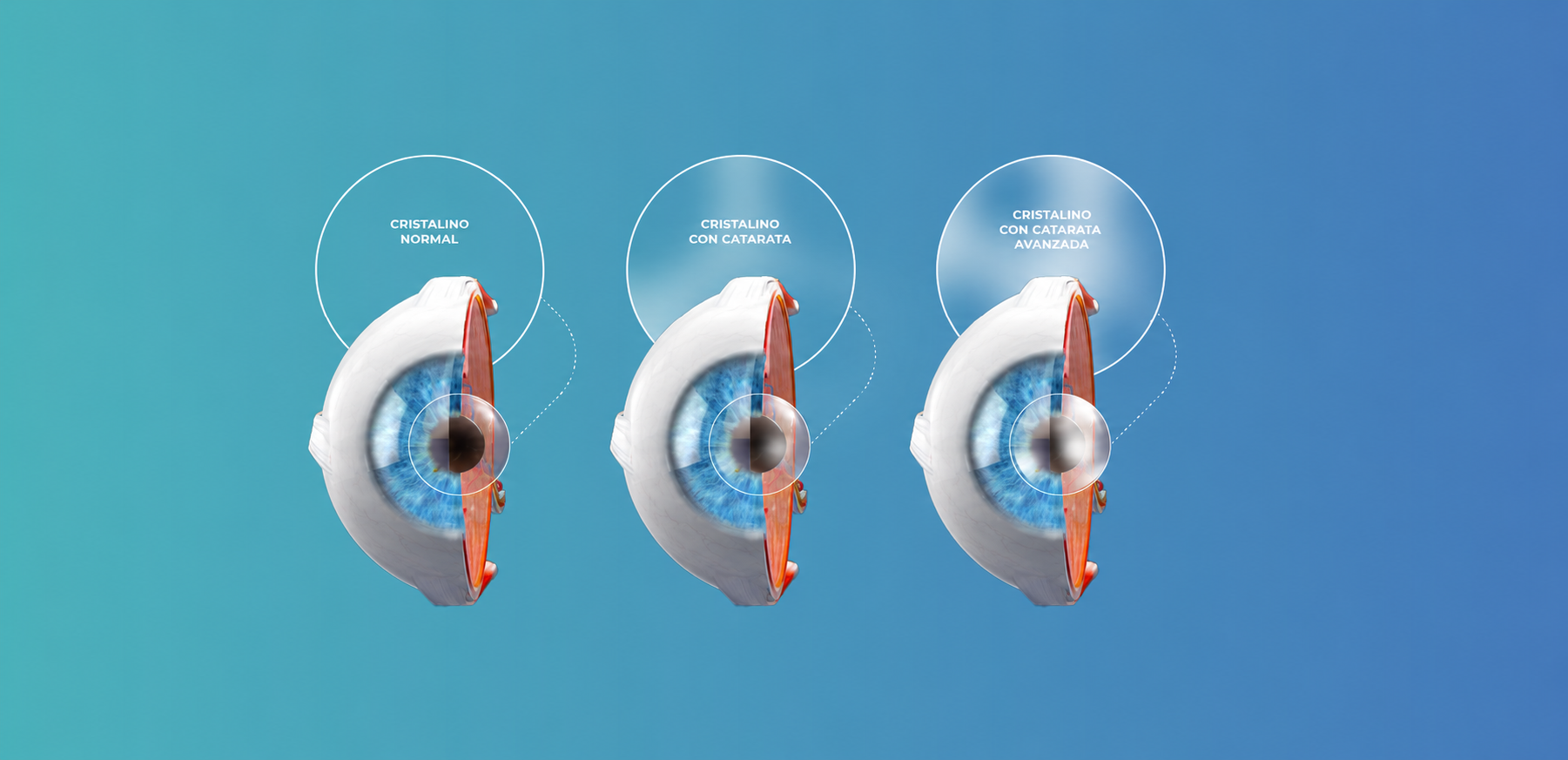
- Cataracts have to be very "ripe" before they can be operated on: patients used to be told it was best to wait until the cataract was "mature," meaning it was better to operate once the lens was very cloudy or the patient had significant trouble seeing. Today, with modern cataract surgery techniques, it is not necessary to wait until the patient has an advanced problem to operate. In fact, the recommendation is to operate early to improve quality of life.
- Cataracts can be treated with eye drops: as mentioned above, this disease can only be treated through outpatient surgery, which consists of removing the clouded natural lens to implant an artificial one. In some cases the patient is not a candidate for a multifocal implant, so they may still need glasses for reading or other activities, such as driving at night.
- Recovery and after-care take several months: today, most patients can resume their regular activities the day after the operation. In general, patients are advised not to swim in pools and to stay in clean environments to avoid infection.
"If a patient experiences vision loss due to a cataract, there is always a solution. There are cases of very advanced cataracts where there is a risk of glaucoma or increased intraocular pressure, which can cause irreversible vision loss. That is why it is important for the patient to consult an ophthalmologist to learn about their options before it is too late and their vision is compromised," said Dr. Orlich.
— Dr. Claudio Orlich
According to the Health Statistics Department of the Costa Rican Social Security Fund, hospital discharges of patients suffering from cataracts doubled over the last decade. In 2006, 6,344 patients were treated, while in 2016 the figure reached 11,398 cases.
Advanced technological solutions
Currently, there are two outpatient procedures for treating cataracts: with ultrasound (phacoemulsification) and with laser.
The ultrasound method begins with an incision made with a scalpel, and then ultrasound fragments the lens to remove the cataract.
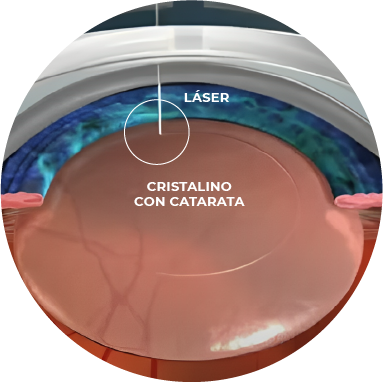
In the laser option, several steps are guided by images of the eye (Optical Coherence Tomography) for greater precision. Among the advantages of using the laser is the lower amount of ultrasound energy needed to remove the cataract, resulting in clearer corneas the next day. In other words, using less ultrasound means the cornea is less affected and less inflamed.
Likewise, with the support of advanced technology equipment, procedures are becoming ever more precise. Such is the case of the NGENUITY® 3D visualization system, which lets the ophthalmologist observe every step of the surgery on a 55" 4K OLED screen with the help of 3D glasses, instead of keeping their eyes on a microscope throughout the surgery.
Another solution that improves cataract surgery outcomes is the Optiwave Refractive Analysis (ORA) system, capable of estimating the intraocular lens required, based on each person's eye characteristics, within seconds while the patient is in the operating room. This gives patients a greater chance of recovering 100% of their vision, especially in difficult cases such as patients previously treated with refractive surgery, high myopia, or astigmatism.
About Clínica 20/20
Clínica 20/20 opened in August 2007. The eye care center has the most advanced technological equipment for people's visual health, some of it exclusive to the Central American and Caribbean region.
The clinic is a pioneer in different surgeries, treatments, and the acquisition of state-of-the-art equipment. It offers surgery for myopia, hyperopia, and astigmatism — 100% laser-based. This laser also allows for corneal transplants and the implantation of rings to correct keratoconus.
In 2011, Clínica 20/20 acquired the first LenSx laser for cataract surgery in Central America. It recently acquired the first NGENUITY® system and is one of the few centers in the country to have ORA.